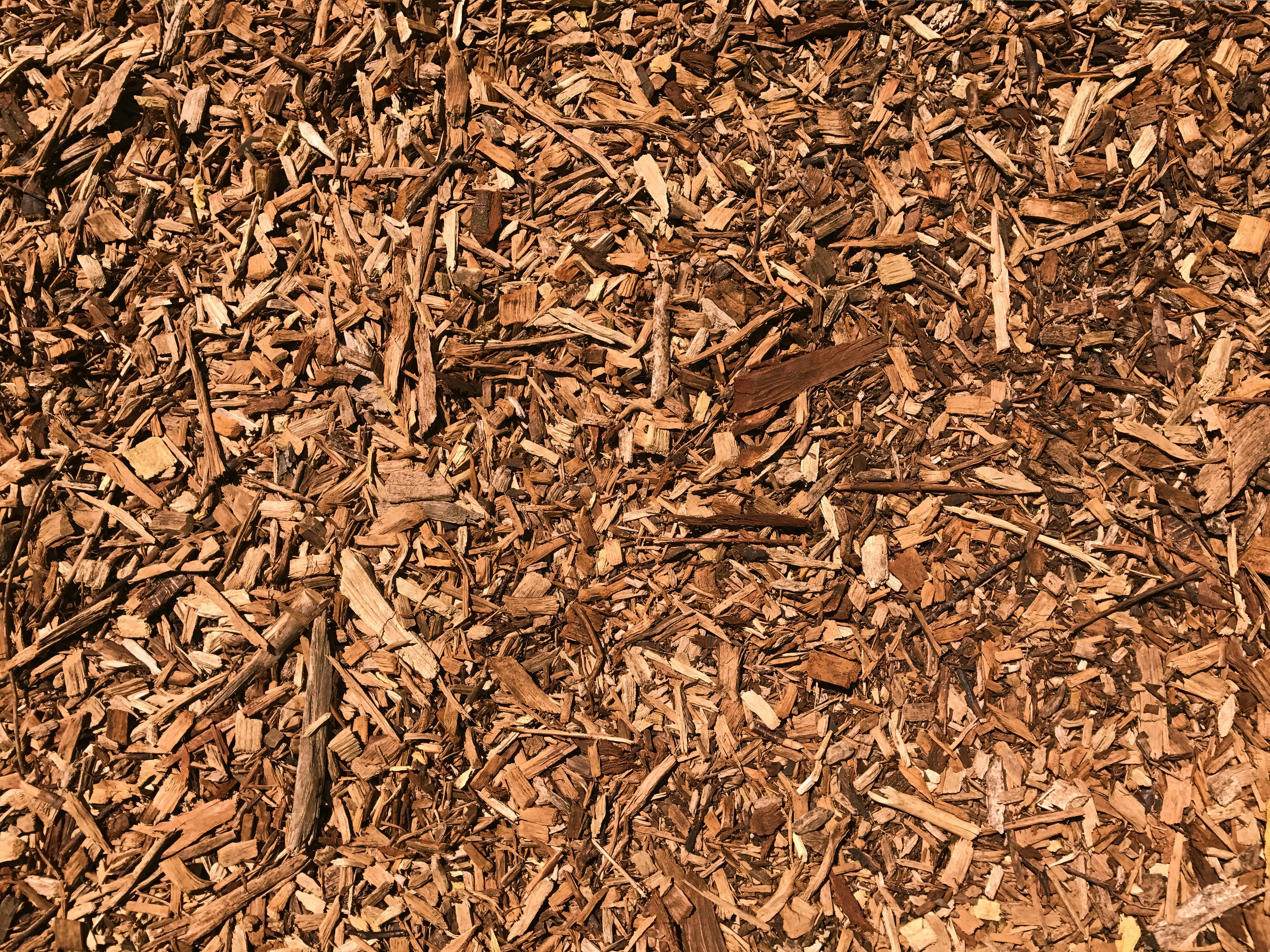
Introduction to Wood Chip Drying
The process of drying wood chips is a critical step in ensuring their preservation and optimal usability in various industries, particularly in bioenergy, biomass production, and the manufacturing of wood pellets. Wood chips, when freshly produced, possess a high moisture content that can lead to several issues, including mold growth, thermal degradation, and decreased energy density. Therefore, effective drying is essential to maintain quality and extend the shelf-life of the wood chips.
Moisture content directly affects the performance of wood chips in applications such as combustion and gasification. Higher moisture levels reduce the energy efficiency of burning processes, leading to lower calorific values and increased smoke emission. This emphasizes the importance of utilizing a wood chip dryer to achieve the desired moisture level, typically between 8% and 12%, ensuring that the wood chips perform optimally in various applications.
The applications for dried wood chips are diverse. In the biomass energy sector, dried wood chips serve as a primary feedstock for generating renewable energy. They are also integral to wood pellet machines that produce compact pellets used for heating and electricity generation. Furthermore, dried chips are utilized in the production of particleboard, pulp, and other engineered wood products. Each application demands precise moisture levels to ensure quality and efficacy, making the drying phase indispensable.
Several factors influence the drying process of wood chips, including temperature, airflow, and humidity. The design and technology of large drum wood chip dryers play a significant role in optimizing these factors, ensuring efficient moisture removal while minimizing energy consumption. This sets the context for understanding the innovations and advantages brought by these advanced drying systems, making them a preferred choice in various manufacturing processes.
How Large Drum Wood Chip Dryers Work
Large drum wood chip dryers are sophisticated machines designed to facilitate the efficient removal of moisture from wood chips, prepared specifically for combustion or conversion into wood pellets. The core principle of these machines revolves around a large, rotating drum that houses the wood chips. As the drum rotates, the wood chips move through the drying chamber while being subjected to a controlled airflow and varying temperatures.
The design of the drum is crucial to its functionality. Typically constructed from durable materials to withstand the high temperatures and mechanical wear, the drum ensures a consistent rotation speed. This rotation not only aids in altering the orientation of the wood chips, promoting even drying, but also helps to mix the chips in a manner that prevents clumping. This consistent movement is vital, as improperly dried chips can lead to inefficiencies, making the quality of the final product—whether it is biomass for energy production or the raw material for a wood pellet machine—less reliable.
Temperature regulation plays a significant role in the drying process. By utilizing advanced control systems, operators can adjust the heat applied to the chips based on their moisture content. The ability to fine-tune these settings optimizes the drying process, maximizing efficiency while minimizing energy consumption. Additionally, the principles of airflow are meticulously engineered; air is drawn into the drum, strategically heated, and then directed through the wood chips. This airflow absorbs moisture effectively, promoting rapid drying.
With the integration of these technical aspects, large drum wood chip dryers not only provide a reliable solution for processing extensive volumes of wood chips but also contribute to sustainable operations in the biomass industry. By optimizing the drying process, they ensure that energy consumption remains minimized while maximizing output, ultimately supporting the transition towards greener energy alternatives.
Benefits of Using Large Drum Dryers for Wood Chips
Large drum wood chip dryers offer a multitude of benefits when compared to smaller or alternative drying methods. One of the foremost advantages is their enhanced drying efficiency. These industrial machines are designed to handle larger volumes of wood chips, allowing for an increased throughput that is crucial for large-scale operations. The ability to efficiently reduce moisture content contributes significantly to the overall productivity of wood pellet machines and other related processes.
Additionally, large drum dryers are built for continuous operation, which minimizes downtime associated with loading and unloading smaller dryers. This feature is particularly advantageous for manufacturers who require a steady supply of dried wood chips to maintain production schedules. Fewer interruptions in the drying process elevate efficiency, as the equipment can run consistently, producing a reliable output of wood chips for further processing.
Another notable advantage of large drum wood chip dryers is their capability to accommodate various chip sizes and moisture levels. This versatility allows manufacturers to process a diverse range of wood chip types without significant adjustments or modifications to the drying system. For instance, whether dealing with smaller or larger chips, the large drum dryer can effectively manage different material characteristics, ensuring that all chips reach the desired moisture content for optimal quality in end products.
Furthermore, integrating a large drum dryer into the production line can lead to reduced labor costs. The automation and high-capacity nature of these machines mean fewer personnel are needed for operation and monitoring, ultimately leading to cost savings over time. The improved product quality afforded by consistent and controlled drying conditions further enhances the value proposition of using large drum dryers. In conclusion, the adoption of large drum wood chip dryers presents critical advantages that significantly benefit wood processing operations.
Future Trends and Innovations in Wood Chip Drying Technology
The landscape of wood chip drying technology is poised for significant evolution, reflecting the increasing demands for efficiency, sustainability, and automation within the wood processing industry. One of the most promising advancements lies in the development of large drum wood chip dryers, which are designed to improve drying efficiency while minimizing operational costs. These dryers harness advanced thermal technologies that optimize airflow and energy consumption, resulting in enhanced performance and lower energy bills.
Furthermore, the integration of automation in wood drying processes is on the rise. Intelligent systems equipped with sensors and real-time monitoring capabilities enable operators to make informed decisions based on moisture levels and temperature readings. This level of automation not only streamlines the drying process but also enhances the quality of the dried wood chips, making them more suitable for further processing by wood pellet machines or other applications.
Environmental considerations are also shaping the future trends in wood chip drying technology. As industries globally strive to reduce their carbon footprint, new designs are being developed with a focus on energy-efficient operations. For instance, innovations such as heat recovery systems allow for the reuse of thermal energy, which significantly decreases greenhouse gas emissions associated with traditional drying methods. Additionally, the emergence of biomass and renewable energy sources is contributing to the sustainability of wood chip dryers, ensuring a greener approach to wood processing.
Moreover, ongoing research into alternative drying methods, such as microwave-assisted drying or the use of palm silk drying machines, shows potential in further enhancing drying efficiency while reducing environmental impact. These innovations highlight the wood processing sector’s commitment to embracing technology that not only improves output quality but also prioritizes ecological stewardship.
In conclusion, the future of wood chip drying technology appears to be moving towards greater efficiency, sustainability, and automation. By integrating innovative designs and environmentally friendly practices, the industry is well-positioned to meet both current and future challenges in wood processing.